The Path to Recognition: How Visual Artists Can Build Lasting Presence


Date: 05th October 2025
By Nadine Gallery – Art & Design Lounge
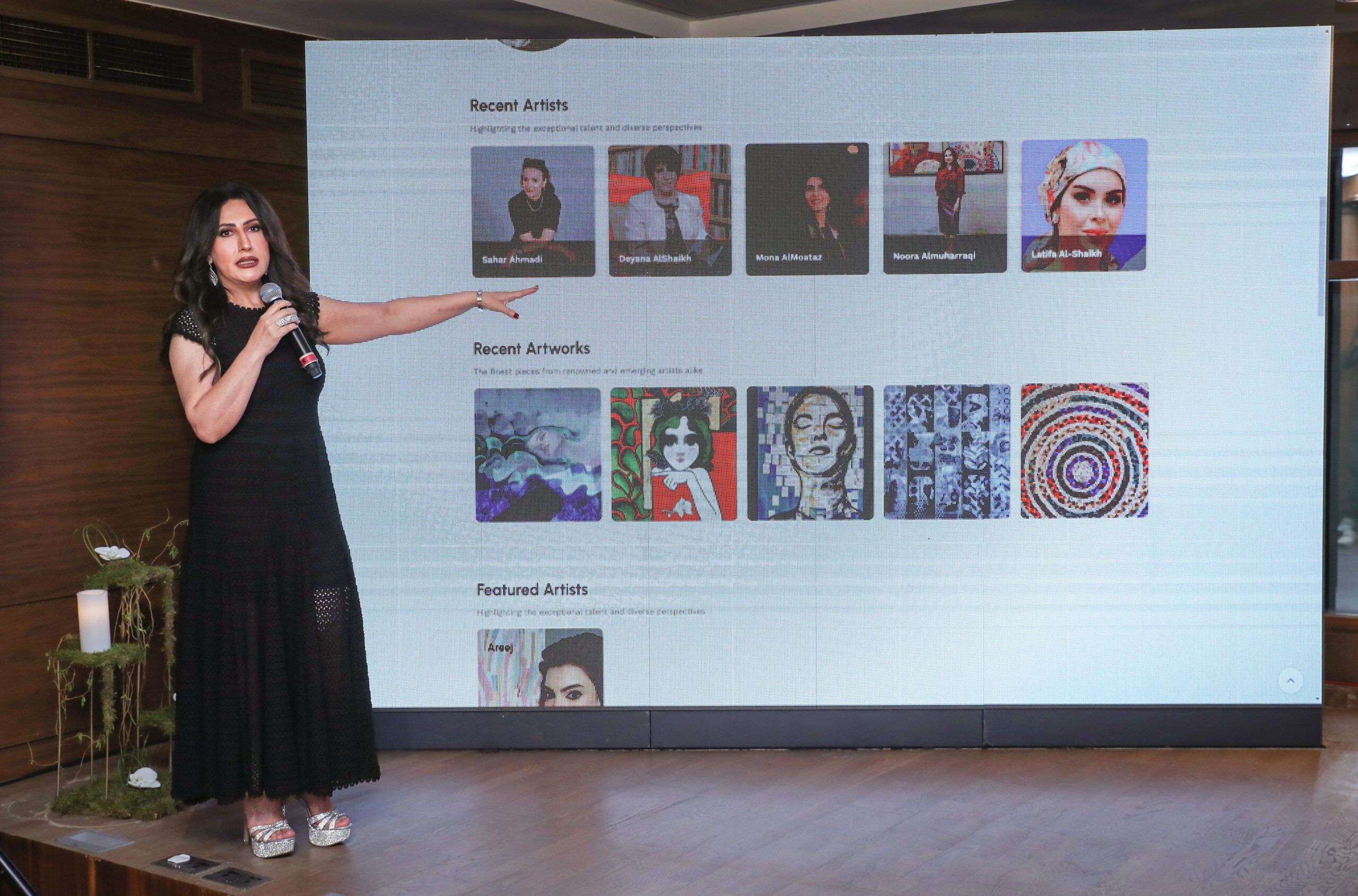
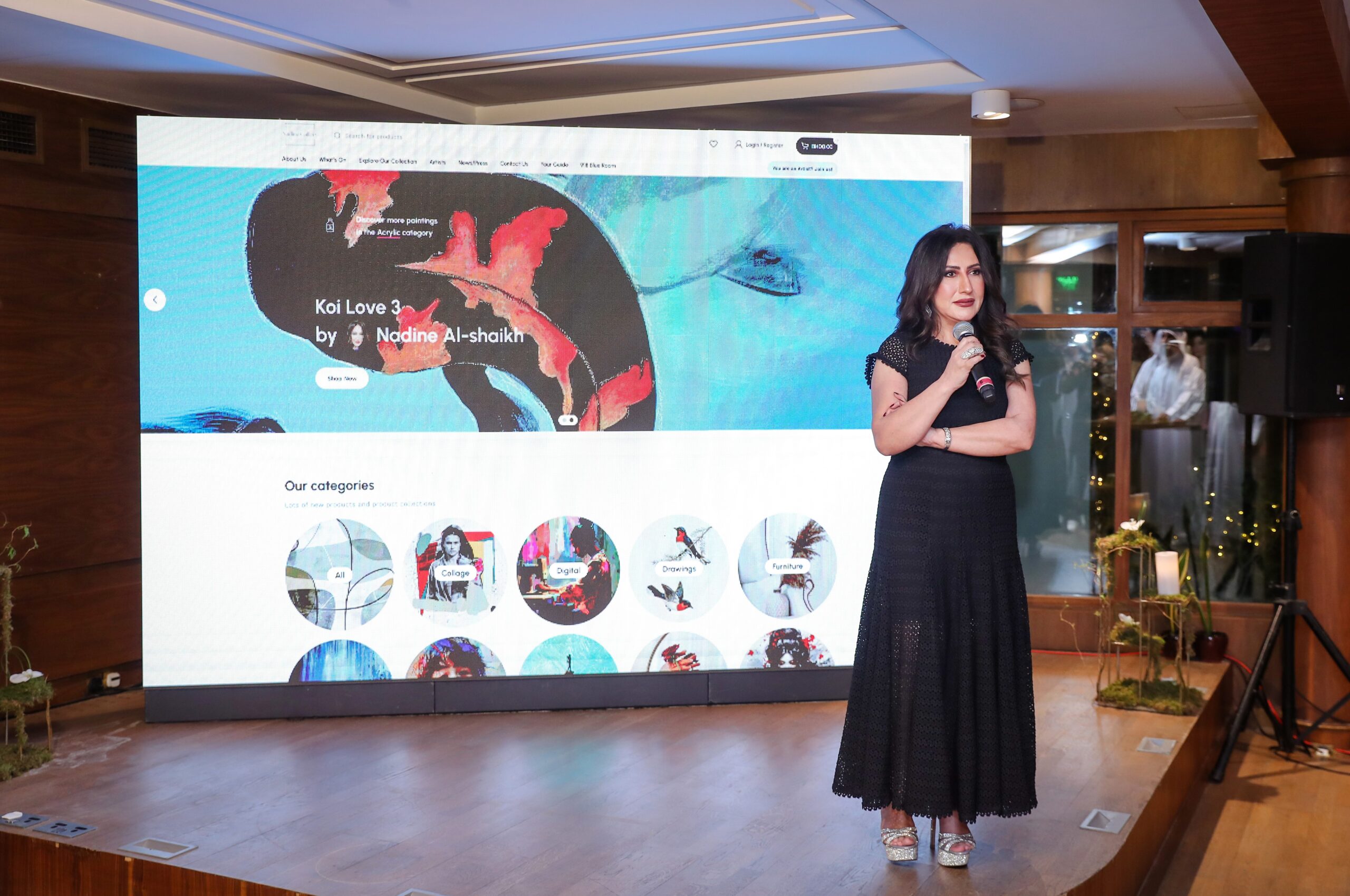
In today’s fast-evolving art landscape, talent alone is no longer enough to guarantee recognition. Artists must think like both creators and strategists, blending creativity with structure, intuition with visibility. Recognition, after all, isn’t about being discovered by chance—it’s about building a presence that cannot be overlooked.
Below are the essential steps every visual artist can take to develop a sustainable and respected career—one rooted in authenticity, professionalism, and community connection.
1. Develop a Distinctive Artistic Voice
Every artist’s journey begins with identity. A distinctive artistic voice is what transforms technical skill into meaningful expression. In a world crowded with visual noise, it’s the clarity of your perspective that cuts through.
Experiment constantly until your methods reflect something deeply personal. Focus on creating cohesive bodies of work rather than isolated pieces, and let your evolution be visible.
Your artist statement should communicate not only what you create but why. Avoid following fleeting trends—instead, trust your instincts and document your growth. Recognition begins when others can recognize you in your work.
In this article
2. Master Both Studio and Business Practices
The myth of the artist detached from the business side of art is fading fast. Today’s successful creators understand that professionalism amplifies opportunity.
Keep your inventory organized, your pricing consistent, and your financial records clear.
Learn the basics of contracts, intellectual property, and taxes. When you treat your art like a business, you gain the freedom to focus more deeply on your craft.
” High-quality images of your work are essential—your visual documentation is your calling card. “
3. Build a Strategic Digital Presence
In the digital age, visibility knows no borders. A thoughtful online presence expands your reach and ensures your work finds the right audience.
Begin with a clean, professional website that includes your portfolio, biography, and contact information. Choose social media platforms that best fit your artistic identity—quality engagement always outweighs sheer numbers.
Show both your finished pieces and your creative process; audiences love to see the story behind the work. Participate in digital art communities genuinely, and use online tools to share, document, or contextualize your practice.
4. Cultivate Meaningful Relationships
The art world thrives on connection. Building authentic relationships with curators, collectors, fellow artists, and supporters opens doors that skill alone cannot.
Visit galleries before you approach them, and become a familiar face at exhibitions and cultural events. Join artist associations or collectives, and engage thoughtfully with art writers and curators. Collaboration and mutual support with other artists not only lead to opportunities but also nurture creative resilience.
5. Create Exhibition Momentum
Your exhibition history is a visual résumé—it tells the story of your credibility and evolution. Strategic exhibition choices help you build momentum over time.
Start small with local venues, artist-run spaces, or community galleries. Apply for juried shows with respected panels and keep meticulous documentation of every exhibition. As your reputation grows, seek out more selective spaces or organize independent exhibitions when traditional venues aren’t available.
6. Engage with Your Community
Community connection is a powerful, often overlooked pathway to recognition. Artists who give back often receive genuine support in return.
Offer workshops or talks to share your knowledge, collaborate with local businesses or public spaces, and participate in art initiatives that bring creativity into everyday life. Mentoring emerging artists or engaging in community-based projects not only amplifies your visibility but also strengthens your impact as a cultural contributor.
Every show adds to your narrative as an artist who consistently brings their vision into public view.
7. Persist Through Rejection
The art world can be unpredictable—and rejection is inevitable. The difference between emerging and established artists often comes down to persistence.
Set long-term goals and realistic timelines. Keep records of your submissions, and follow up professionally. Use feedback as a learning tool rather than a setback, and celebrate incremental wins. Most importantly, build emotional resilience through peer support or mentorship. Recognition is rarely instant—it’s the reward of endurance and faith in your creative path.
8. Diversify Your Pathways to Success
There’s no single road to recognition. The most sustainable careers are built on multiple forms of validation—commercial, critical, educational, and community-based.
Balance selling your work with experimentation. Consider teaching, writing, or curating as ways to strengthen your artistic voice and authority. Embrace both local and international exposure, online and offline. Define success on your own terms—whether it’s impact, visibility, or the joy of creation.
Conclusion: Recognition Through Authenticity
Building recognition as a visual artist is not a sprint—it’s a steady evolution shaped by authenticity, professionalism, and persistence. By refining your artistic voice, mastering business essentials, embracing digital visibility, and cultivating meaningful relationships, you create multiple, enduring avenues for success.
True recognition grows from consistency—showing up for your art, your audience, and your community day after day. When you align passion with purpose, recognition stops being a distant goal and becomes a natural reflection of your creative integrity.